

Binance SOL Boxes
We share Binance SOL red Packets here.
Solana is a major crypto currency we loved.
Binance SOL Red Packets: A Complete Guide
This article may contain an affiliate/referral link. Claiming a red packet through such a link is free and never requires payment or your wallet’s private key.
What Is a Binance Red Packet?
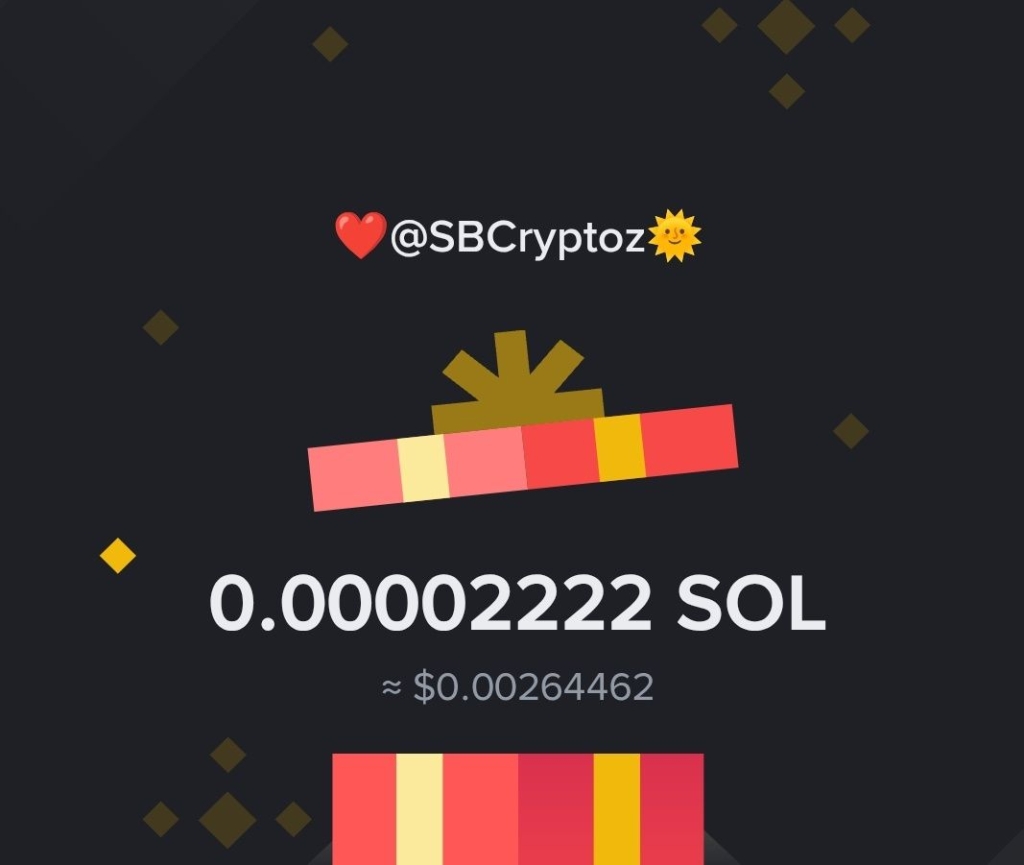
A Binance Red Packet is an official gifting feature built into the Binance app, inspired by the traditional Chinese “red envelope” (hongbao) custom of giving small monetary gifts. A user sets aside a chosen amount of a specific cryptocurrency, splits it into a set number of shares, and shares the packet as a link or QR code. Anyone who opens that link and has (or creates) a Binance account can claim one of the shares directly into their own wallet — no trading, no fees, no minimum purchase required.
A SOL Red Packet works exactly the same way, except the asset being gifted is Solana (SOL) instead of USDT, BNB, or another token.
Why Solana (SOL) Specifically?
Solana has been one of the more actively discussed large-cap assets in 2026. It’s a high-throughput, proof-of-stake blockchain built for speed and low transaction costs, and it currently ranks among the top cryptocurrencies by market capitalization. Through August 2026, SOL price action has been notably volatile — surging more than 40% in a single eight-day stretch to briefly break above $100 for the first time since February, before settling back into the mid-$90s to $100+ range. The network has also been posting record usage, processing over 4 billion transactions in July alone, and institutional products around SOL have been expanding, including staked-SOL lending markets and growing spot ETF assets.
Because SOL is a widely recognized, liquid, top-10 asset, receiving even a small fraction of one through a red packet gives recipients real exposure to a coin that’s actively part of the current market conversation — which is part of why SOL red packets tend to attract more attention and shares than packets built around smaller or less liquid tokens.
How SOL Red Packets Work, Step by Step
Someone creates the packet. A Binance user selects “Red Packet” inside Binance Chat or the app’s rewards section, chooses SOL as the asset, sets the total amount, and decides how many people can claim a share (either an equal split or a randomized “lucky” split, similar to the mechanic used in the original hongbao tradition).
The packet is shared. The creator gets a shareable link or QR code, which can be posted in a Binance Chat group, on Binance Square, or shared externally (as in an article like this one).
A recipient opens the link. Clicking it opens Binance’s claim page. If the recipient already has a Binance account, they simply log in; if not, they’re prompted to create one.
The recipient claims their share. Tapping “Claim” instantly transfers their portion of SOL into their Binance Spot wallet — no further action needed.
The packet expires after a set window, typically anywhere from a few hours up to several days, after which any unclaimed SOL is returned to the person who created it.
What You Actually Receive
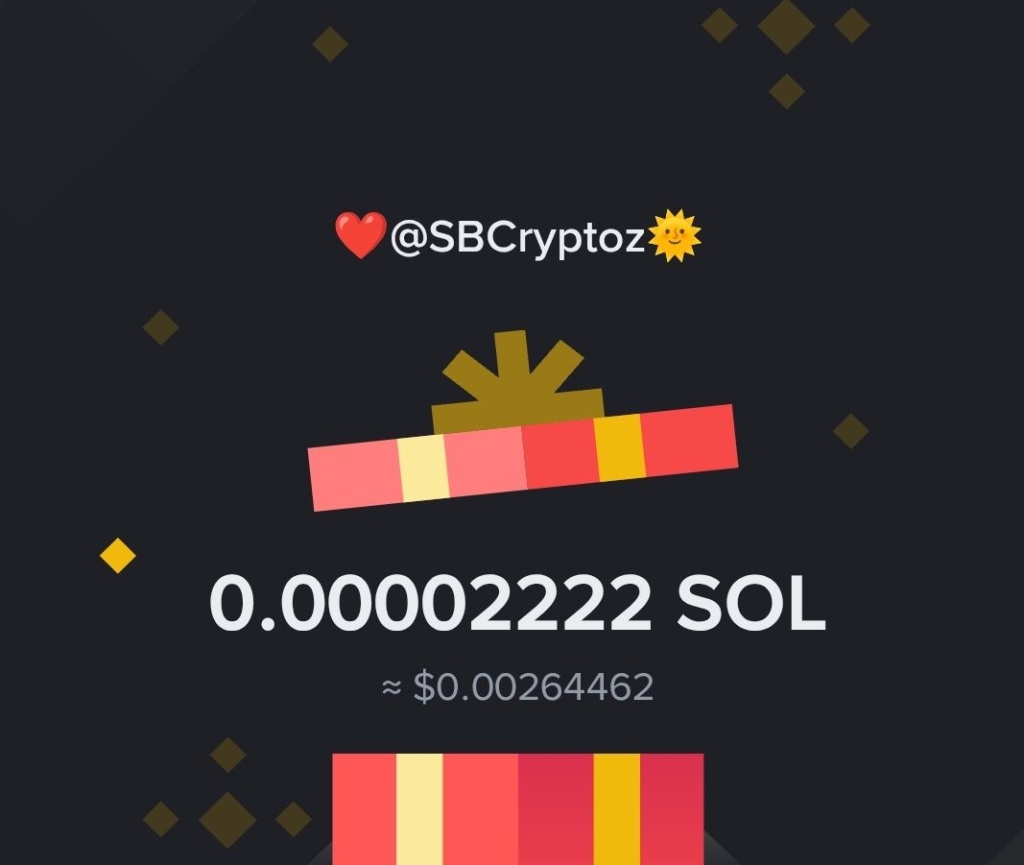
It’s worth setting expectations clearly: red packet shares are almost always fractional amounts of SOL — often worth well under a dollar per claim, sometimes just a few cents’ worth. The feature exists primarily as a low-friction way to introduce people to holding a real crypto asset and to Binance’s chat/social features, not as a meaningful source of income. Some packets use a randomized split, so shares within the same packet can vary — a small number of claimants might receive a noticeably larger portion while others receive very little.
Safety Checklist Before You Claim
Verify the domain. A genuine claim link will route through app.binance.com or binance.com. Fake, cloned red-packet pages exist and are used to phish credentials — always check the address bar before logging in.
Never enter your seed phrase or private key. Claiming a red packet only ever requires your normal Binance login. If a page asks you to “connect a wallet” and enter a recovery phrase to claim a Binance red packet, close it immediately — that is not how the real feature works.
Treat it as a gift, not an investment signal. Receiving a SOL red packet says nothing about whether SOL is a good buy at that moment. Don’t let a “free” claim push you into an unplanned trading decision.
Watch for social-engineering follow-ups. Scammers sometimes use the appeal of “free crypto” as an opener before pushing a target toward an external “investment opportunity.” Binance itself will never DM you asking you to move funds off-platform after a claim.
Remember it’s not FDIC/SIPC insured. Like any crypto holding, SOL received through a red packet carries normal market and platform risk once it’s in your account.
Frequently Asked Questions
Does it cost anything to claim a SOL red packet?
No. Claiming is free; you only need an existing or newly created Binance account.
Can the SOL I claim be withdrawn or traded immediately?
Yes — once it lands in your Spot wallet, it behaves like any other SOL balance on the exchange. Normal withdrawal and trading rules and fees apply from that point on.
Is there a limit to how many red packets I can claim?
Each individual packet can only be claimed once per account, but there’s no cap on how many different packets (from different creators) a single user can claim over time.
Can I create my own SOL red packet?
Yes, provided you hold SOL in your Binance account — the feature is available to any user, not just large accounts or influencers.
Bottom Line
SOL Red Packets are a legitimate, built-in Binance feature that lets users gift small amounts of Solana to others through a simple link. They’re best understood as a fun, low-stakes way to get introduced to holding a top-tier crypto asset and to Binance’s social/chat ecosystem — not as a way to generate meaningful income. As with anything crypto-related, the main thing to watch for isn’t the feature itself, which is genuine, but imitators who copy its look to phish for credentials.
Sources: Binance official product documentation, CoinMarketCap AI market updates, CoinGecko, Bybit, and DailyCoin (August 2026 data).



Bir yanıt yazın